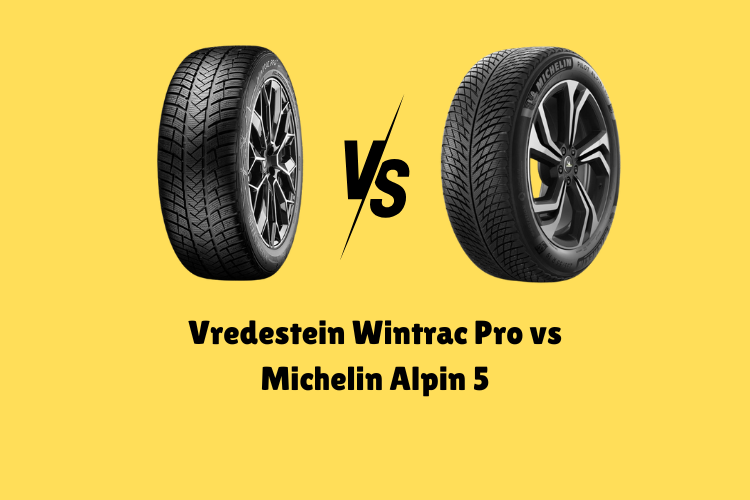
Snow-covered streets and icy morning commutes demand a tire that grips with confidence, and two standout options rise to the challenge: the Vredestein Wintrac Pro and the Michelin Alpin 5.
Drivers across cold-weather regions trust these models for their blend of traction, control, and winter-focused engineering. Each tire follows a different performance philosophy, and that contrast creates a compelling matchup for anyone planning a seasonal upgrade.
Vredestein delivers a sporty winter feel with strong cornering, quick steering response, and dependable stability on mixed surfaces. Michelin focuses on balanced winter capability with reliable snow handling, excellent wet traction, and long-term durability.
Both brands chase high performance, yet the on-road experience varies in ways that matter for daily winter driving. This comparison highlights ride comfort, snow grip, wet-road security, and overall road feel to help you decide which tire suits your winter driving style.
Vredestein Wintrac Pro vs Michelin Alpin 5
Winter roads test every tire. Cold air. Frozen pavement. Sudden ice. Heavy snow. One mistake can change everything. Many drivers pick winter tires to avoid risks, and two names appear again and again: Vredestein Wintrac Pro and Michelin Alpin 5.
Both promise strong grip and confident winter control. Yet each tire works in a different way. Each carries a different purpose. So the match matters.
Below is a clear, deep, easy comparison. No complex words. No fluff. Just real details that help a regular driver understand.
Vredestein Wintrac Pro

Product Details
Brand: Vredestein
Size: 275/35R21
Section Width: 275 mm
Load Capacity: 16 ounces (from listing, though real capacity is usually higher)
Item Weight: 14.69 kg
Fit Type: Vehicle Specific
Construction: Radial
Rim Size: 21 inches
Aspect Ratio: 35
Load Index: 99
Speed Rating: Y
Sidewall: Black Wall
Tread Pattern: Wintrac Pro
Load Range: SL
These details paint a picture. A tire made for high-performance cars. Wide tread. Low profile. Fast speed rating. Large rim size. The kind of tire you see on sport SUVs and strong sedans that still need winter grip.
Features
Winter-Designed Tread
The Wintrac Pro uses a tread pattern built for cold roads. Sharp angles. Deep cuts. Many biting edges. The structure clears snow fast and digs into the surface under it.
High-Speed Winter Capacity
A Y speed rating tells a clear story. The tire handles high speeds even in cold weather. Many winter tires lower speed ratings. This one holds power for fast, heavy cars.
Performance Grip
The rubber blend stays flexible in deep cold. The grooves guide slush and thin ice away from the contact patch. The wide footprint spreads weight across the road for a strong planted feel.
European Engineering
Vredestein builds this tire with a performance-first mindset. The design aims for strong cornering and short braking on snowy pavement.
What Is The Good?
Strong Handling in Fast Winter Driving
The tire holds its shape well on dry cold roads. Quick turns feel stable. The car responds with accuracy.
Sharp Snow Traction
The tread bites into packed snow. The tire grabs the surface and helps the car push forward with less slip.
Good Braking on Wet Winter Roads
Many winter days bring wet slush. The Wintrac Pro pushes that away. The tire stays in control during stops.
Sport Feel
Drivers with powerful cars feel confident. The tire does not feel soft or sloppy.
What Is The Bad?
Ride Feels Firm
Low-profile tires always feel harder. The Wintrac Pro gives a tight ride that some drivers may not enjoy.
Not the Quietest
Wide winter tires often make sound. The deep winter tread can hum on dry pavement.
Can Wear Faster on Warm Days
This rubber prefers cold temperatures. Warm roads speed up wear.
Overall Opinion
The Vredestein Wintrac Pro fits drivers who want winter grip without losing performance. Sporty cars and strong SUVs benefit most. The tire handles speed, turns, and mixed winter weather with confidence.
The ride feels firm and the noise sits a bit higher, but the winter traction stands out. A solid winter tire for drivers who value control and sharp handling.
Michelin Pilot Alpin 5
Product Details
Brand: Michelin
Size: 255/35R19 96V XL
Section Width: 10.04 inches
Load Capacity: 1565 pounds
Tread Depth: 9.5/32
Tread Type: Directional
Max Pressure: 50 PSI
Rim Width: 9 inches
Tire Diameter: 26.03 inches
Load Index: 96
Speed Rating: V
M+S Rated
Winter braking focus
Michelin targets strong winter safety with the Alpin 5. The tire fits sedans, coupes, and crossovers that need premium winter stability.
Features
Directional Snow Pattern
The V-shaped pattern channels snow and water out of the way. The design increases bite and improves stability at speed.
High-Density Sipes
Hundreds of tiny cuts create edges that grab ice. These sipes improve short stopping distance and keep control steady in tight turns.
Winter Confidence Focus
Michelin builds the tire for serious winter weather. Ice, slush, wet snow, and dry cold roads all feel stable and predictable.
M+S and Winter Rating
The tire suits harsh winter areas where storms hit often. It holds grip in deep snow with consistent behavior.
What Is The Good?
Strong Ice Braking
The Alpin 5 stops sooner on ice than many winter tires in its class. The sipes and rubber blend help the car stay in control.
Quiet Ride
The tire rides smoother and quieter than many winter performance tires. Good for long winter drives.
Long-Lasting Rubber
Michelin uses strong compounds. The tire holds performance across many winter seasons.
Reliable Wet Grip
Many winter days bring cold rain. The Alpin 5 manages water well and reduces slip.
What Is The Bad?
Price Sits Higher
Michelin tires often cost more. Drivers on strict budgets may feel pressure.
Not as Sport-Oriented as Wintrac Pro
The tire focuses more on safety than aggressive performance. Drivers expecting sharp handling may prefer the Vredestein.
Slightly Softer Feel
The tire’s comfort focus softens the road feel. Sport drivers may want tighter response.
Overall Opinion
The Michelin Alpin 5 fits drivers who want winter safety above all. The braking power, noise control, and cold-weather grip stand strong.
The tire offers comfort and quietness with dependable winter traction.
Not built for sporty driving. Built for security and stable winter behavior.
Detailed Comparison for Vredestein Wintrac Pro vs Michelin Alpin 5
The Vredestein Wintrac Pro and Michelin Alpin 5 serve different winter driving styles. The Wintrac Pro leans toward sporty performance. It uses a wide tread, firm structure, and high-speed rating to give strong cornering control.
Fast cars feel more precise on this tire. The Michelin Alpin 5 focuses more on safety. The tread creates steady grip during braking on ice and wet winter roads. The road noise stays low, and the ride feels smoother.
The Wintrac Pro fits drivers who value sharp steering and strong snow traction at speed. The Alpin 5 fits drivers who want quiet comfort, steady ice grip, and long life.
Price plays a role too. Michelin often costs more, but its smooth ride and long wear help balance the cost. Vredestein stays more affordable while offering sport performance.
Both tires handle winter roads well. The final choice depends on the driver’s needs: performance feel or safety-first comfort.
FAQs
Which tire lasts longer?
Michelin Alpin 5 usually lasts longer because the compound resists wear better.
Which tire handles snow better?
Both do well, but the Wintrac Pro grips packed snow more aggressively.
Which tire is better for ice?
The Michelin Alpin 5 offers shorter braking distance on ice.
Which one feels more comfortable?
The Alpin 5 gives a smoother and quieter ride.
Which one suits sporty cars?
The Wintrac Pro fits high-performance cars better due to its sharp handling.
Conclusion
The Vredestein Wintrac Pro gives strong winter control for drivers who want a sport feel even in snow. The Michelin Alpin 5 focuses on safety, quietness, and long life. Both deliver real winter grip, but each follows a different path.
Drivers who value performance pick the Vredestein. Drivers who value safety and comfort pick the Michelin. The right choice depends on driving style, road conditions, and comfort needs.