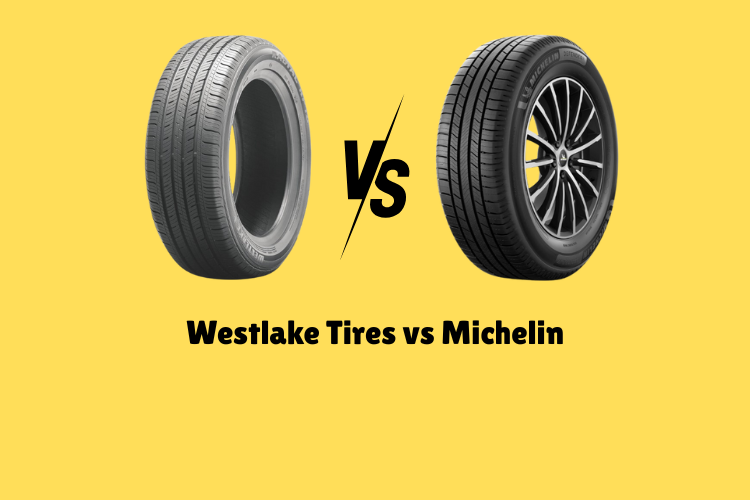
Drivers often face a tough decision while comparing budget-friendly tires with premium giants, and this debate shines brightest in the matchup between Westlake Tires and Michelin. Each brand attracts a different type of customer, yet both aim to deliver reliable road performance.
Westlake draws attention with affordable pricing and practical everyday usability, while Michelin builds its reputation on advanced engineering, long tread life, and exceptional grip across varying conditions. This contrast sparks curiosity among drivers who want solid performance without draining their wallet.
A clear difference appears once road feel, durability, and overall ride comfort enter the conversation. Michelin focuses on refined handling and consistent stability at highway speeds. Westlake aims for dependable traction and functional performance for daily commutes.
Drivers gain clarity by comparing real-world results, cost-to-value ratios, and long-term satisfaction. This matchup reveals how each brand stands in terms of quality, safety, and everyday driving confidence.
Westlake Tires vs Michelin Tires
Drivers often compare value-focused tires with premium tires. Westlake and Michelin sit on opposite sides of this scale. One offers budget-friendly options. The other focuses on long tread life, advanced rubber compounds, and proven safety.
Both serve different needs. Cost. Comfort. Grip. Longevity. Many factors shape the final choice. The details below explain the differences in a clear and simple way.
Westlake RP18 All-Season Tire

Product Details
Brand: Westlake
Size: 225/65R16
Section Width: 225 mm
Load Capacity: 1200 lbs
Tread Depth: 10/32″
Tread Type: Non-directional
Maximum Pressure: 44 PSI
Rim Width: 6.5 inches
Tire Diameter: 27.5 inches
Load Index: 100
Speed Rating: H
Construction: Radial
Country of Origin: Italy
About Item:
Low price tire with focus on dry and wet traction, responsive steering, and strong siping for water control.
Features
1. Dry and Wet Road Grip
The tread blocks sit close together and create stable road contact. The siping on the tread helps cut through water. This setup increases confidence on wet pavement and gives fair braking strength.
2. Steering Feel
The tire reacts fast to steering inputs. Light steering weight. Simple to handle in city driving. The internal structure supports good stability at moderate speeds.
3. Tread Design
The tread shows detailed grooves and wide channels. The vertical siping helps the tire grab during side-to-side movements. Cornering feels controlled in normal driving.
4. Budget-Oriented Build
All design choices focus on low cost. The tire uses basic rubber compounds and simpler construction. It fits drivers who want value rather than premium durability.
What Is the Good?
-
Affordable price for daily use
-
Strong wet-road traction for the cost
-
Good steering response
-
Stable feel in city and highway driving
-
Decent comfort for a budget tire
What Is the Bad?
-
Shorter tread life
-
Lower grip on ice and snow
-
Less refined ride at high speeds
-
Road noise increases with wear
-
Simple rubber compound limits long-term performance
Overall Opinion
Westlake tires give solid performance for drivers who stay on a budget. They work well for basic commuting, city trips, and moderate weather.
The tire fits those who want acceptable grip without spending too much. It does not match premium levels of comfort, longevity, or wet braking distance. Still, it serves its price range well.
MICHELIN Defender2 All-Season Tire
Product Details
Brand: Michelin
Size: 235/65R17 104H
Section Width: 235 mm
Load Capacity: 1984 lbs
Tread Depth: 10.5/32″
Tread Type: Symmetrical
Maximum Pressure: 51 PSI
Rim Width: 8.5 inches
Tire Diameter: 29 inches
Load Index: 104
Speed Rating: H
About Item:
Michelin Defender2. Designed for long tread life, strong grip, and safe braking on dry and wet roads.
Features
1. Long Tread Life
The Defender2 uses advanced rubber that resists wear. Michelin claims much longer life than many rivals. Thick tread depth and strong internal support help the tire last many seasons.
2. Wet and Dry Safety
Locking 3-D sipes add hundreds of small bite edges. These edges improve braking on wet surfaces and maintain traction during sudden stops. The rubber compound grips well in hot and cold conditions.
3. Comfort and Stability
The ride stays smooth even on rough roads. The tire absorbs bumps with ease. The center rib keeps the car stable on highways. Noise levels stay low as the tread wears.
4. All-Season Versatility
It handles rain, light snow, and dry heat. The symmetrical tread spreads pressure evenly. This gives predictable handling in all seasons.
5. Strong Warranty
Michelin backs this tire with an 80,000-mile treadwear warranty and a 6-year standard warranty. This adds peace of mind for long-term owners.
What Is the Good?
-
Very long tread life
-
Excellent wet and dry braking
-
Smooth and quiet ride
-
Strong stability on highways
-
Great grip in light snow
-
High load capacity
What Is the Bad?
-
Higher price
-
Not ideal for deep winter conditions
-
Stiffer feel at low speeds due to firm rubber
Overall Opinion
The Michelin Defender2 stands as a premium all-season tire with superior grip, long tread life, and strong braking. It fits mid-size sedans, crossovers, and family SUVs.
Perfect for drivers who want long-term value and strong road safety. The higher cost becomes worth it for high mileage drivers.
Detailed Comparison for Westlake Tires vs Michelin
Westlake and Michelin aim at different buyers. Westlake offers a low-cost tire with decent traction and simple construction. It works for basic daily driving.
The steering feels light and direct, but the tire wears faster and struggles on snow and ice. Noise climbs as the tread ages.
Michelin takes the opposite approach. The Defender2 uses advanced materials, deeper tread, and a smart siping system. The grip stays strong on dry and wet roads. Braking distance stays short.
Comfort stands at a high level, and road noise remains low. The tread lasts far longer than most economy tires, including Westlake. The higher price reflects the premium build and strong safety rating.
Drivers who value price first may lean toward Westlake. Drivers who want safety, comfort, tread life, and long-term value will prefer Michelin.
FAQs
1. Which brand lasts longer?
Michelin lasts much longer because of stronger rubber and advanced tread tech.
2. Which one fits harsh weather better?
Michelin gives better safety in rain and light snow. Westlake suits mild climates.
3. Does Westlake offer good value?
Yes. It gives fair grip for its price and works well for basic driving needs.
4. Is Michelin worth the higher cost?
Yes. It provides long tread life, better safety, and better comfort.
5. Which tire stays quieter?
Michelin stays quieter over time. Westlake gets louder as it wears.
Conclusion
Westlake works for drivers who need a simple, affordable tire. It handles daily travel well and gives fair grip for the cost. Michelin delivers higher quality in every area.
The Defender2 offers excellent braking, long life, comfort, and stability. Both serve different needs. The best choice depends on budget, driving style, and long-term expectations.