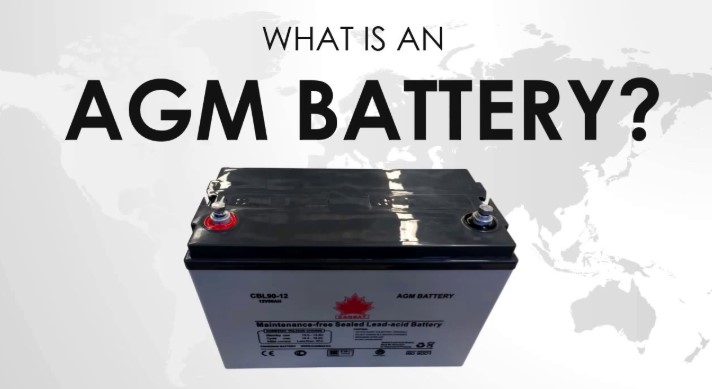
AGM batteries, or Absorbent Glass Mat batteries, have redefined how energy is stored and delivered in modern vehicles. Designed with advanced technology, these batteries use a fine fiberglass mat to hold the electrolyte, ensuring efficient power flow and zero leakage.
Drivers appreciate AGM batteries for their ability to provide strong starting power, even in cold weather, while supporting demanding electrical systems found in today’s cars, trucks, and motorcycles.
Their sealed, maintenance-free design prevents spills and resists vibration, making them ideal for off-road adventures and stop-and-go city driving. This technology delivers faster charging, longer lifespan, and reliable performance compared to traditional flooded lead-acid batteries.
Whether used in luxury sedans, boats, or RVs, AGM batteries offer the durability and consistency that modern energy systems demand. Understanding how they work helps vehicle owners make smarter choices for performance, efficiency, and long-term reliability.
What Is a Agm Battery?
An AGM battery, short for Absorbent Glass Mat battery, is a modern version of the traditional lead-acid battery. It’s built to deliver strong power, resist vibration, and last longer than standard wet-cell types.
Inside this battery, the acid is absorbed into special fiberglass mats placed between the lead plates. This unique setup allows the battery to hold its charge efficiently, prevent spills, and require almost no maintenance.
AGM batteries have become popular in vehicles, boats, solar systems, and backup power applications.
Their ability to provide steady performance in different weather conditions makes them dependable for both everyday drivers and professionals who rely on consistent energy.
Understanding what makes AGM batteries special helps you see why they are used so widely today.
What Makes an AGM Battery Unique?

AGM batteries use a sealed and valve-regulated design, meaning they don’t need refilling or venting like traditional lead-acid batteries.
Instead of liquid acid freely moving inside, the electrolyte is stored in absorbent glass mats. These mats hold the acid tightly and keep it evenly spread across the plates.
This design does several important things:
-
Prevents leaks: The acid stays locked inside, even if the battery is placed on its side.
-
Improves safety: No acid spills or harmful fumes.
-
Delivers power faster: The close contact between the plates and the absorbed acid allows quicker reactions and higher energy output.
-
Reduces internal resistance: Better conductivity means more efficient charging and discharging.
AGM batteries also use pressure relief valves that open only if gas builds up inside, making them safer than flooded batteries.
How an AGM Battery Works?
Inside every AGM battery, there are three key components:
-
Positive and Negative Lead Plates – These plates store and release energy during charging and discharging.
-
Absorbent Glass Mats – Made from fine fiberglass, they trap the electrolyte and keep it in contact with the plates.
-
Electrolyte (Acid) – This mixture of sulfuric acid and water enables the chemical reaction that produces electricity.
When the battery charges, electrical energy converts lead sulfate on the plates back into lead dioxide and pure lead. During discharge, the opposite happens chemical energy turns into electrical power that runs your devices or vehicle.
The absorbed electrolyte lets gases recombine into water inside the battery, reducing water loss and eliminating the need for refilling. This process is why AGM batteries are called maintenance-free.
Key Benefits of AGM Batteries
1. Maintenance-Free Design
No topping up with water or checking acid levels. AGM batteries are sealed for life. You just install them and use them.
2. Stronger and Safer Construction
The fiberglass mats and sealed body make the battery more durable and leak-proof. It won’t spill even if tilted or knocked over, which makes it ideal for boats, RVs, and off-road vehicles.
3. High Power Output
AGM batteries deliver higher bursts of power than flooded batteries. This is perfect for vehicles with start-stop systems, winches, or heavy audio setups.
4. Fast Charging Capability
The low internal resistance allows faster charging. That means less downtime and better efficiency.
5. Low Self-Discharge
AGM batteries hold their charge much longer when not in use, making them perfect for seasonal vehicles or backup generators.
6. Longer Life Cycle
They can handle hundreds of charge and discharge cycles without losing performance, often lasting twice as long as traditional lead-acid batteries.
7. Excellent Cold and Heat Resistance
The design allows reliable starts in freezing temperatures and stable operation in heat. AGM batteries perform well in a wide temperature range.
Common Applications of AGM Batteries
AGM batteries work in many fields because of their flexibility and toughness. Some of their main uses include:
-
Automobiles: Many modern cars use AGM batteries, especially those with start-stop technology or high electrical demands.
-
Motorcycles: Lightweight, durable, and reliable, perfect for vibration-heavy rides.
-
Marine Use: Their sealed design prevents leaks, making them ideal for boats and jet skis.
-
RVs and Campers: Reliable for powering onboard systems, lights, and appliances.
-
Solar Power Systems: Commonly used in solar energy storage for homes and cabins.
-
Backup Power Systems: Keeps computers, alarms, and medical equipment running during power outages.
-
Off-Grid Power Solutions: Used in cabins, remote communication towers, and emergency systems.
AGM Battery vs. Regular Lead-Acid Battery
| Feature | AGM Battery | Regular Lead-Acid Battery |
|---|---|---|
| Design | Sealed, with absorbed acid | Flooded with free-flowing liquid |
| Maintenance | No water refill needed | Requires regular checks |
| Safety | Leak-proof, no fumes | May leak acid or emit gas |
| Vibration Resistance | Excellent | Moderate |
| Power Output | Strong and consistent | Lower and unstable under load |
| Self-Discharge | Very low | Higher |
| Position Flexibility | Any direction | Must stay upright |
| Lifespan | 4–7 years | 2–4 years |
| Cost | Slightly higher | Cheaper upfront |
AGM batteries may cost more at first, but their long life and reliability often make them more cost-effective over time.
Tips for Extending AGM Battery Life
-
Use the right charger: Always use a smart charger made for AGM or VRLA batteries. Overcharging can damage the battery.
-
Avoid deep discharges: Try not to drain the battery below 50% regularly. Shallow discharges extend life.
-
Keep it clean: Check terminals for corrosion and clean them with a baking soda solution if needed.
-
Store properly: Store in a cool, dry place if unused for long periods. Recharge every few months.
-
Monitor voltage: AGM batteries work best when kept between 12.4V and 12.9V at rest.
Advantages and Disadvantages of AGM Batteries
Advantages
-
Maintenance-free and leak-proof
-
Resistant to vibration and shocks
-
Works in any position
-
Fast charging capability
-
Long life and reliable power
Disadvantages
-
Higher price compared to flooded types
-
Sensitive to overcharging
-
Can lose capacity if not charged correctly
-
Heavier than lithium batteries
FAQs
Q1. What does AGM mean?
AGM stands for Absorbent Glass Mat, referring to the fiberglass sheets that hold the battery’s acid.
Q2. Can I replace my regular battery with an AGM type?
Yes, you can, as long as your car’s charging system supports it. Some vehicles may need a system reset after replacement.
Q3. How long does an AGM battery last?
Most AGM batteries last between 4 and 7 years, depending on usage and maintenance.
Q4. Are AGM batteries better for cold weather?
Yes. AGM batteries perform well in low temperatures and deliver reliable starting power even in winter.
Q5. Do AGM batteries need ventilation?
No. They are sealed and produce minimal gas, so they can be used safely indoors.
Q6. What is the difference between AGM and Gel batteries?
AGM uses fiberglass mats to hold the electrolyte, while Gel batteries mix silica into the acid to form a gel. AGM types usually deliver more power and charge faster.
Conclusion
An AGM battery blends strength, safety, and low maintenance in one reliable package. It offers dependable power for vehicles, boats, solar systems, and backup setups.
The sealed design prevents leaks and makes operation clean and worry-free. It lasts longer, charges faster, and works well in harsh conditions.
For anyone who values consistent performance and minimal upkeep, an AGM battery is a smart and practical energy solution that stands the test of time.