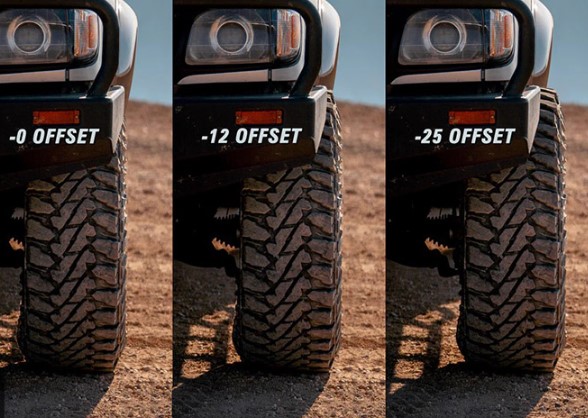
Tire offset plays a critical role in how a vehicle handles, looks, and even wears its tires. Many drivers focus on tire size and tread, but offset often gets overlooked despite being just as important.
Offset refers to the distance between the wheel’s mounting surface and its centerline, and this small measurement directly affects how the wheels sit inside the fenders. A correct offset helps maintain stability, prevents rubbing, and ensures optimal performance.
Too much or too little offset can lead to steering issues, poor handling, and uneven tire wear. Whether upgrading wheels for style or performance, understanding offset helps avoid costly mistakes.
The wrong setup can damage suspension parts or compromise safety. By learning how offset works, anyone can make smarter wheel choices that enhance both the look and feel of the ride. Let’s break down the types of offset and what they mean for real-world driving.
Tire Offset Explained – Why That Small Measurement Matters Big on the Road?
Tire offset sounds like a tricky topic. But it’s actually easy to understand once it’s broken down into simple parts. The offset of a wheel affects how far in or out your tires sit from the body of your vehicle.
That placement can change how your car looks, handles, and wears its tires. A wrong offset can even cause rubbing or damage to suspension parts.
Drivers often hear this term when buying custom wheels or upgrading tire size. Yet many don’t know what it really means.
This guide explains tire offset in simple words. No jargon. No confusion. Just clear facts that help you make better decisions for your car or truck.
What Is Tire Offset?
Tire offset refers to the distance between the wheel’s centerline and the surface that mounts to your car’s hub. This distance is measured in millimeters. Offset affects where the wheel sits inside the fender.
There are three main types of offset:
1. Positive Offset
The mounting surface is closer to the outside edge of the wheel. This pushes the wheel further inside the wheel well.
Most front-wheel drive cars use positive offset. It helps keep wheels tucked in and prevents them from sticking out.
2. Negative Offset
The mounting surface is closer to the back edge of the wheel. This pushes the wheel further out from the body.
Many trucks and off-road vehicles use negative offset. It gives a wider stance and more clearance for big tires.
3. Zero Offset
The mounting surface lines up exactly with the center of the wheel. The wheel sits right in the middle of the hub.
This type gives a balanced stance. It’s often used in racing or custom applications.
Why Tire Offset Matters?
Offset isn’t just about looks. It affects many parts of your driving experience.
Handling
A correct offset keeps your tires aligned with your suspension. It helps your car steer and turn properly. A wrong offset may cause pulling, poor cornering, or uneven weight distribution.
Tire Wear
Improper offset can make your tires rub against the fenders or suspension. That leads to faster tire wear or even damage.
Safety
A wheel that sticks out too far or sits too far inside may reduce stability. It can also cause parts to rub together and fail.
Style
Offset changes how the wheels look on your vehicle. A deep offset gives a wider, more aggressive stance. A high offset keeps the wheels tucked in.
How to Measure Offset?
Offset is measured in millimeters and labeled on the inside of the wheel as “ET.”
For example:
-
ET +40 means positive 40 mm offset
-
ET -12 means negative 12 mm offset
-
ET 0 means zero offset
You can also find the correct offset in your vehicle’s owner’s manual or by asking a tire professional.
Common Offset Problems
Tire Rubbing
Wheels with too low an offset may stick out and rub against the fenders during turns or bumps.
Brake Caliper Clearance
Wheels with too high an offset may sit too close to the brakes and not leave enough space for proper airflow.
Suspension Contact
A wrong offset can push the wheel too far in and cause it to touch suspension parts like struts or control arms.
How to Choose the Right Offset?

Start with your vehicle’s original offset specs. Then decide if you want to change the stance or fit wider tires. Going too far off from stock can cause problems.
Safe Tips:
-
Stay within 5–10 mm of your original offset
-
Use spacers for small adjustments
-
Get advice from a wheel expert if unsure
FAQs
What does “ET” mean on a wheel?
ET stands for “Einpresstiefe,” a German word meaning offset. It’s followed by a number that shows the offset in millimeters.
Can wrong offset damage my car?
Yes. It can cause rubbing, poor handling, or even damage suspension parts.
Is negative offset better for trucks?
Many trucks use negative offset for wider stances and more space for off-road tires.
Will different offset affect alignment?
Yes. It may change how the tires sit, which can affect your alignment and handling.
Can I use spacers to fix wrong offset?
Yes, but only for small changes. Large spacers can reduce safety and wear parts faster.
Conclusion
Tire offset may seem confusing at first, but it’s a simple idea. It controls how far your wheels stick in or out. Getting the right offset improves handling, safety, and tire wear.
Whether you’re upgrading your wheels or just learning the basics, understanding offset helps you avoid costly mistakes.
Always check your car’s original specs and ask for expert advice if needed. A small detail like offset can make a big difference