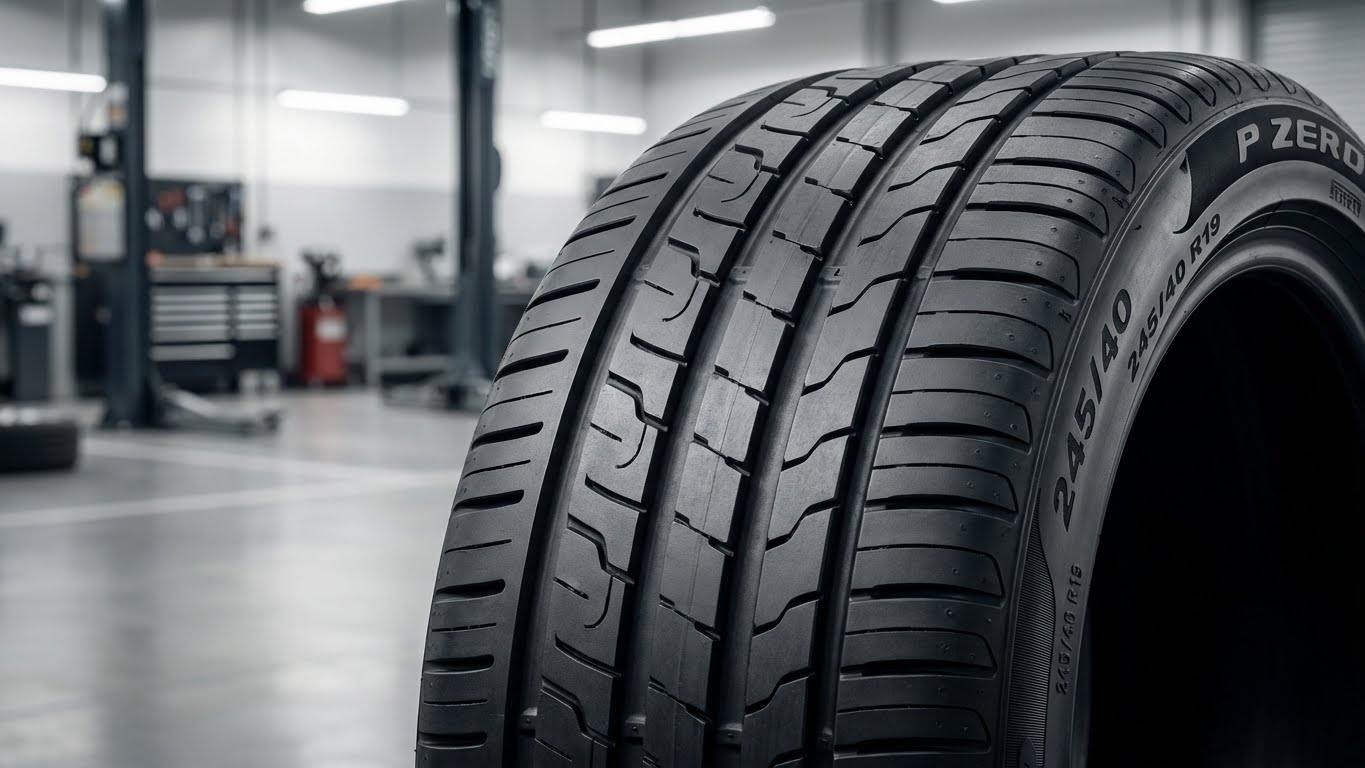
Choosing new tires can feel confusing with many options available. The most important thing to know is how to pick tires that fit your car, driving habits, and the conditions you face. This helps ensure safety, performance, and value for your money.
Tire size, tread pattern, and type matter a lot. Different tires work better on dry roads, snow, or off-road. Drivers should also consider brand quality, price, and how long the tires will last.
Understanding these key points makes buying tires easier and helps avoid mistakes. The following information will guide readers through what to focus on for the best tire choice.
Key Takeways
- Tires must match the vehicle and driving conditions.
- Tread design and quality affect safety and performance.
- Budget wisely to balance cost and tire lifespan.
Understanding Tire Types

Choosing the right tire depends on the driving conditions, vehicle type, and performance needs. Different tires offer distinct benefits and are built for specific uses. Knowing these differences helps buyers pick tires that match their daily routes, weather, and vehicle demands.
All-Season Versus Seasonal Tires
All-season tires are designed to perform well in a variety of conditions, including dry roads, light rain, and mild snow. They offer balanced traction and longer tread life, making them a popular choice for drivers who want one tire year-round. However, all-season tires may not provide enough grip in severe winter weather or heavy snow.
Seasonal tires, like winter or summer tires, are specialized. Winter tires have softer rubber and deeper treads for better traction on snow and ice. Summer tires provide improved handling on dry and wet roads but can wear out faster in hot temperatures. Choosing between these depends on local climate and how often extreme weather occurs.
Performance Tires
Performance tires focus on delivering enhanced handling, braking, and cornering. They usually have softer rubber compounds and unique tread designs to increase grip at higher speeds. These tires are common on sports cars or vehicles driven aggressively.
While performance tires improve driving experience on dry or slightly wet surfaces, they tend to wear faster and may not perform well on snow or ice. They often have lower tread life and stiffer rides compared to all-season tires. Drivers should consider these factors before choosing performance tires.
SUV and Truck Tires
SUV and truck tires are built to support heavier loads and handle rougher terrain. They often feature reinforced sidewalls for extra durability. These tires come in several types, including highway tires for smooth rides on pavement, all-terrain tires that balance on-road and off-road use, and mud-terrain tires for extreme off-road conditions.
Buyers should match tire choice with their driving style and the typical terrain. For example, all-terrain tires work well for light off-roading, while highway tires provide better fuel efficiency and quieter rides on highways. The right tire type also impacts vehicle safety and performance.
Key Factors in Tire Selection
Choosing the right tires involves checking specific details that affect safety, performance, and compatibility with the vehicle. These details include the tire’s size, how much weight it can carry, how fast it can safely go, and whether it matches the driving conditions it will face.
Tire Size and Fitment
Tire size is critical because it must match the vehicle’s specifications exactly to ensure safety and performance. Tire size is usually shown on the sidewall with numbers and letters, like 205/55R16. This breaks down into width (205 mm), aspect ratio (55%), and wheel diameter (16 inches).
Using an incorrect size can cause problems with speedometer accuracy, handling, and tire wear. Checking the vehicle’s manual or tire placard inside the driver’s door helps find the right size. Online tools like the Tire and Rim Association’s database can also assist in confirming fitment.
Proper fitment includes the right width and diameter to avoid rubbing on suspension parts or brake components. Fitting tires that aren’t sized correctly also risks voiding warranties.
Load Index and Speed Rating
The load index tells how much weight a tire can safely carry when fully inflated. It is shown as a number (like 91) on the tire sidewall. Choosing a tire with a load index lower than recommended can lead to tire failure, especially when carrying heavy loads. Always match or exceed the vehicle manufacturer’s load index recommendation.
Speed rating indicates the maximum speed the tire is designed to handle safely. It is represented by a letter (e.g., H, V, or W). Drivers should never use tires with a lower speed rating than recommended, as it could risk tire damage or accidents at high speeds.
Both load index and speed rating are important for safety and performance. Consumers can find these ratings in their vehicle’s owner manual or on trusted sites like the National Highway Traffic Safety Administration (NHTSA).
Driving Environment Compatibility
Tires must match the environment where the vehicle will mostly be driven for safe handling. For example, all-season tires are good for moderate weather, but winter tires provide better grip and braking on snow and ice. Summer tires work best in warm, dry conditions but lose performance when cold or wet.
Drivers in wet or rainy areas should look for tires with good tread designs that resist hydroplaning. Off-road drivers need tires that provide durability and traction on rough terrain.
Checking tread patterns, rubber compounds, and tire certifications can guide buyers. Resources like the Rubber Manufacturers Association offer advice on technical tire selections for different climates and roads.
Assessing Tread Patterns and Depth
Tread patterns and depth play a major role in a tire’s performance. They affect how long the tire lasts, how well it grips different road surfaces, and the noise and comfort inside the vehicle. Understanding these factors helps buyers choose tires that fit their driving needs and conditions.
Tread Life Expectancy
Tread depth is measured from the top of the tire’s rubber down to the deepest grooves. New tires typically start with 10/32 to 11/32 of an inch of tread. When tread wears down to 2/32 inch, the tire is legally worn out and should be replaced for safety.
Tire tread life depends on the pattern design and the rubber compound. Tires with deeper, more rugged treads usually last longer but might produce more road noise. Checking tires regularly for even wear and proper inflation helps extend their life. For more detail, the U.S. Department of Transportation offers useful information on maintaining tire tread here.
Wet and Dry Traction
Tread patterns are designed to provide grip on wet and dry roads. Tires with wider grooves and channels help push water away from the tire, reducing the risk of hydroplaning on wet surfaces. Smaller, closely spaced tread blocks often improve grip on dry roads and help with better braking.
For drivers in rainy or snowy climates, tires with deeper sipes (small cuts in the tread blocks) improve traction by gripping slippery surfaces. Summer tires, in contrast, usually have less aggressive tread patterns optimized for dry performance. Checking tread designs closely will ensure the tires fit the expected weather and road conditions.
Noise and Ride Comfort
Tire tread patterns also influence road noise and how smooth the ride feels. Tires with large, aggressive tread blocks may offer better off-road traction but can create more noise on pavement.
Manufacturers use special patterns and rubber compounds to reduce noise and improve comfort. Tires aimed at comfort have tighter tread patterns that absorb bumps and reduce vibrations. For advice on balancing noise with performance, organizations like the Tire and Rubber Association of Canada provide good references on tire comfort here.
Choosing the right tread pattern for the driving environment helps keep noise down and enhances the overall ride quality.
Comparing Tire Brands and Quality
Choosing the right tire brand involves more than just recognition. It means understanding the company’s track record, what protections come with the tire, and how products perform in real-world tests. These details help buyers evaluate value and reliability.
Manufacturer Reputation
A brand’s reputation reflects its history of quality, innovation, and customer satisfaction. Well-known manufacturers like Michelin, Bridgestone, and Continental have built strong reputations for producing durable and safe tires. Their names are often linked to advanced technology in tread design and rubber compounds.
Reputation also signals consistent quality control. Brands with solid reputations are less likely to release tires with defects or poor performance. Buyers should review customer feedback and industry awards to gauge a brand’s standing in areas like tread life and fuel efficiency.
Warranty Coverage
Warranty terms reveal how confident a manufacturer is in its product. Most tires come with mileage warranties, typically ranging from 40,000 to 80,000 miles. These warranties often cover treadwear but can vary based on the tire model and usage conditions.
Some brands also offer additional protections like road hazard coverage or prorated replacement. It is important to read the warranty fine print, noting what conditions might void it. A strong warranty can reduce long-term costs by covering premature wear or damage.
Independent Test Results
Tests conducted by third parties offer unbiased information about tire performance. Sources like Consumer Reports and Car Talk evaluate tires on traction, braking, handling, noise, and wear.
These tests often rank tires differently than marketing claims. For example, a mid-tier brand might outperform a premium one in wet braking or longevity. Buyers should look for recent test results specific to their tire type—summer, winter, or all-season—to make informed decisions based on real data.
Evaluating Tire Features and Innovations
Choosing new tires involves more than size and tread pattern. Important features like fuel efficiency, safety technologies, and environmentally friendly materials impact cost, performance, and long-term value. Understanding these details helps drivers make smarter choices that match their needs and driving habits.
Fuel Efficiency
Tires designed for fuel efficiency reduce rolling resistance, which means the engine uses less energy to move the car. This can lead to better gas mileage and savings at the pump over time. Low rolling resistance tires often have special rubber compounds and tread designs that maintain grip while minimizing the drag on the road.
Not all fuel-efficient tires perform equally in wet or winter conditions, so it’s important to balance efficiency with safety. Labels like the EPA’s fuel economy guide or the EU tire label rate tires in fuel efficiency, wet grip, and noise. Checking these ratings helps buyers find tires that save fuel without sacrificing traction.
More details about tire performance labels are available at the U.S. Department of Energy’s fuel economy site.
Run-Flat Technology
Run-flat tires allow a vehicle to keep driving for a short distance after a puncture, usually up to 50 miles at 50 mph. This feature lets drivers reach a safe place or repair shop without changing the tire immediately. They use reinforced sidewalls to support the tire’s weight even when air pressure drops.
While safer in emergencies, run-flat tires can have a stiffer ride and often cost more than regular tires. Not all cars are compatible with run-flat technology; some require special rims or tire pressure monitoring systems (TPMS). Buyers should consider if the convenience and extra safety fit their driving style and vehicle.
Learn more about run-flat tires at the Tire Industry Association.
Eco-Friendly Materials
Tire makers are increasingly using sustainable materials like natural rubber from sustainable sources, bio-based oils, and recycled rubber to reduce environmental impact. These eco-friendly tires aim to maintain performance while lowering pollution during production and disposal.
Some new tires feature silica-based treads that improve fuel economy and wear life without traditional petroleum products. Others use lower rolling resistance compounds that help reduce CO2 emissions over a tire’s life. Choosing tires with eco-labels or certifications can help support greener choices without compromising safety or durability.
For additional guidance on sustainable tires, visit the Environmental Protection Agency’s resource page.
Installation and Maintenance Considerations
Proper installation and ongoing care are crucial for new tires to perform well and last. Paying attention to key maintenance tasks helps maintain safety and extends the life of the tires.
Professional Installation
Having new tires installed by a professional ensures the job is done correctly. Technicians use special equipment to mount tires securely on the rims. They also balance each tire to prevent vibrations while driving.
After installation, the installer should check tire pressure to meet manufacturer recommendations. Proper inflation helps avoid uneven wear and improves fuel efficiency. It’s also important to inspect the tires for any damage or defects at this time.
Registering the tires for warranty coverage is another step professionals can assist with. This protects the buyer if any problems arise. Leaving installation to experts reduces the risk of mistakes that could affect safety or tire lifespan.
Routine Rotation and Balancing
Regular tire rotation is necessary to promote even wear across all tires. Rotating tires every 5,000 to 8,000 miles helps prevent some tires from wearing out faster than others. This improves overall handling and extends tire life.
Balancing tires is equally important. Over time, small imbalances can develop due to normal wear or road conditions. Balancing corrects this and eliminates vibrations at higher speeds.
Drivers should follow the vehicle manufacturer’s recommended rotation pattern or ask a professional for advice. Skipped rotations or unbalanced tires can lead to uneven tread wear and a rougher ride.
Alignment Needs
Wheel alignment ensures tires meet the road at the correct angle. Poor alignment causes irregular tire wear and can make steering difficult or unsafe.
Alignment should be checked after new tire installation and during regular maintenance. Significant impacts like hitting curbs or potholes also warrant an alignment check.
Signs of misalignment include pulling to one side, uneven wear on tire edges, or a crooked steering wheel when driving straight. Proper alignment improves tire performance and helps maintain control of the vehicle.
Budgeting for New Tires
When planning to buy new tires, it is important to balance cost with quality and consider expenses beyond the initial price. Paying attention to long-term value and checking for savings opportunities can make a significant difference.
Price Versus Value
The price of new tires varies widely based on size, type, and brand. Cheaper tires may seem like a good deal but often have shorter lifespans and lower performance. More expensive tires usually offer better traction, durability, and warranties.
It is wise to compare prices among retailers but also look at what each tire offers in return. Spending a bit more upfront on a high-quality tire can reduce the need for early replacements or repairs.
A table can help clarify:
| Tire Type | Approximate Price Range | Typical Benefits |
|---|---|---|
| Economy Tires | $50 – $100 per tire | Basic performance, shorter life |
| Mid-Range Tires | $100 – $150 per tire | Balanced price and quality |
| Premium Tires | $150+ per tire | High performance, longer life |
Lifetime Costs
Budgeting for tires means looking beyond the sticker price to the total expenses during their life. This includes fuel efficiency, maintenance, and replacement frequency.
Tires with low rolling resistance can improve gas mileage, saving money over time. Durable tires need fewer repairs and replacements. Also, warranties often cover tread life or defects, protecting the buyer’s investment.
A tire that costs more but lasts twice as long or reduces fuel costs can be cheaper overall. Buyers should factor in these hidden costs before making a decision.
Special Offers and Rebates
Many tire manufacturers and sellers offer rebates or discounts that reduce the overall price. These can be found from seasonal promotions, trade-ins, or manufacturer mail-in rebates.
It is important to verify the terms and deadlines of these offers. Some rebates require registration or proof of purchase within a certain time.
Comparison shopping during promotional periods can lead to substantial savings. Buyers should also ask about bundle deals when purchasing multiple tires, as these often provide additional discounts.
Ensuring Safety and Legal Compliance
When buying new tires, it is important to check that they meet safety standards and follow local laws. This includes looking for key certifications, paying attention to wear indicators, and understanding rules about tire condition and size. Meeting these points helps keep the vehicle safe and legal.
DOT Certification
DOT certification shows that tires meet federal safety standards in the United States. Tires with a DOT code on the sidewall have passed tests for durability, heat resistance, and performance.
The code starts with “DOT” followed by letters and numbers that identify the manufacturing plant, tire size, and production date.
It is important to check the date to avoid buying old tires. Tires over six years old may lose safety and performance even if unused.
Always choose tires with a valid and clear DOT code to be sure they meet safety regulations.
Treadwear Indicators
Treadwear indicators are small raised bars located inside the tire grooves. They show the minimum safe tread depth.
When the tire tread wears down to the level of these bars, it means the tire needs to be replaced. Driving with tires that have worn past the indicators reduces traction, especially on wet or slippery roads.
Regularly checking the treadwear indicators helps drivers avoid dangerous tire failure and maintain good grip. It also ensures the tire can still properly handle braking and steering.
Local Legal Requirements
Different places have specific laws for tire condition and replacement. These can cover minimum tread depth, tire age, size, and type rules.
For example, many states require a minimum tread depth of 2/32 inch for passenger vehicles. Some areas also restrict the use of winter tires to certain months or require specific tire types on certain vehicle classes.
Drivers must know and follow the tire laws where they live and drive. Not meeting local tire rules can lead to fines, failed vehicle inspections, or unsafe driving conditions.
FAQs
What size tires does my vehicle need?
The size is usually listed on the tire sidewall or in the vehicle’s owner manual. Buying the correct size ensures proper handling and safety.
How long do tires usually last?
Tire life depends on driving habits, road conditions, and maintenance. Most tires last between 25,000 and 50,000 miles, but checking tread wear regularly is important.
What is the difference between all-season and winter tires?
All-season tires work well in mild weather and light snow. Winter tires are designed for cold temperatures and heavy snow, offering better grip and safety in harsh conditions.
How important are speed and load ratings?
Speed and load ratings tell what a tire can safely handle. Choosing tires with ratings matching or exceeding the vehicle’s requirements is essential for safety.
Should I buy tires with a warranty?
Many tires come with mileage or workmanship warranties. Warranties can protect against defects but don’t cover damage from road hazards.
| Question | Short Answer |
|---|---|
| Can I mix different tire brands? | It’s best to use the same brand and model on all wheels. |
| How do I know when to replace tires? | Look for tread wear indicators or cracks on the tire. |
| Can new tires save fuel? | Some tires reduce rolling resistance, improving fuel economy slightly. |
These FAQs help clarify key points for buyers to consider before choosing new tires.
Conclusion
Choosing the right tires involves several important factors. Tire size, type, and tread pattern should match the vehicle and driving style. Safety must always come first, so checking tread depth and speed ratings is essential.
Drivers should also consider their usual road conditions and weather. For example, all-season tires work well in mild climates, while winter tires provide better grip on snow and ice. Durability and noise levels matter, too, especially for those who drive long distances.
Price is a key factor but should not be the only one. Cheaper tires may save money upfront but could wear out faster or reduce fuel efficiency. It helps to review warranties and ratings to find a good balance between cost and quality.
Here is a quick checklist to help buyers:
Tire Checklist
- Correct size for vehicle
- Suitable tread type for conditions
- Adequate speed rating
- Good tread depth (over 2/32 inch)
- Proper tire pressure maintained
- Warranty and brand reputation
By understanding these points, anyone can make a smart tire purchase. Being informed reduces risks and can improve the driving experience.