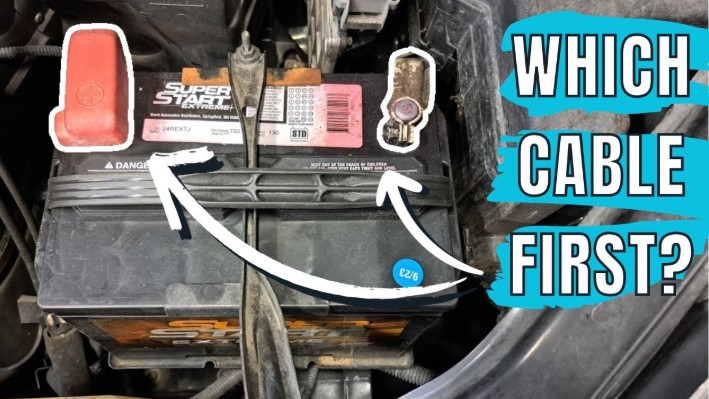
Disconnecting a car battery may seem simple, but doing it in the wrong order can cause sparks, short circuits, or even damage to your vehicle’s electrical system. Every driver should know the correct way to handle battery terminals before attempting any repair or maintenance task.
The process begins with understanding why one terminal must always come off before the other. That single detail can be the difference between a smooth, safe disconnection and a costly mistake.
The negative and positive terminals play specific roles in your vehicle’s circuit, and handling them properly ensures both your safety and the health of your car’s electronics.
Taking a few moments to learn the right order protects you from accidental shocks and prevents tools from conducting electricity. Let’s explore which terminal to remove first and why that small step matters more than most people realize.
Which Battery Terminal to Disconnect First?
Car batteries are powerful and can be dangerous if not handled carefully. Many car owners are confused about which terminal to disconnect first.
Disconnecting the wrong terminal can cause sparks, damage the car’s electrical system, or even cause a small fire.
Understanding the correct method protects both the car and the person working on it. This guide explains each step in detail, so even beginners can safely disconnect a car battery.
Understanding Car Battery Terminals

Car batteries have two main terminals:
-
Positive Terminal (+): Usually marked with a plus sign and often has a red cable. This terminal connects to the car’s electrical system.
-
Negative Terminal (-): Usually marked with a minus sign and often has a black cable. This terminal is connected to the car’s metal frame, called ground.
Why Order Matters?
Disconnecting the negative terminal first breaks the connection between the battery and the car frame. This reduces the risk of accidental sparks.
Sparks can occur if a metal tool touches the positive terminal while the car body is connected to the negative. Sparks near the battery can ignite hydrogen gas, causing fire or explosion.
Tools Needed
Before starting, gather these tools:
-
Wrench or socket set
-
Insulated gloves
-
Safety glasses
-
A cloth or small tray to keep nuts and bolts
Step-by-Step Battery Disconnection
Step 1: Turn Off the Car Completely
Make sure the ignition is off. Remove the key. Switch off all electronics like headlights, radio, or air conditioning. This ensures no electricity flows from the battery.
Step 2: Locate and Identify the Terminals
Open the hood and find the battery. Look for + (positive) and – (negative) signs. Remember: red cable is positive, black cable is negative.
Step 3: Disconnect the Negative Terminal First
-
Use the wrench to loosen the nut on the negative terminal.
-
Carefully lift the cable off the terminal.
-
Push the cable aside. Make sure it does not touch the battery or car metal.
Step 4: Disconnect the Positive Terminal Next
-
Loosen the nut on the positive terminal using the wrench.
-
Remove the cable carefully.
-
Keep it away from metal surfaces and the negative cable.
Step 5: Remove the Battery (If Needed)
Lift the battery straight up. Batteries are heavy, so use both hands. Keep the battery upright to avoid spilling acid.
Extra Safety Tips
-
Wear gloves and glasses: Battery acid can burn skin and eyes.
-
Avoid metal jewelry: Rings, bracelets, or watches can cause sparks.
-
Do not touch both terminals at the same time: A metal tool connecting both can cause a short circuit.
-
Work in a ventilated area: Batteries produce hydrogen gas, which is flammable.
-
Check for corrosion: Clean any white or green powder on terminals with a baking soda solution before reconnecting.
Common Mistakes to Avoid
-
Disconnecting the positive terminal first. This increases the chance of sparks.
-
Using a metal tool carelessly around terminals.
-
Lifting the battery incorrectly and spilling acid.
-
Forgetting to turn off the car or electronics.
FAQs
Q1: Can I disconnect the positive terminal first?
Yes, but sparks can happen if a metal tool touches car metal. Negative first is safer.
Q2: How do I know which cable is negative?
The negative cable is black and marked with –. Positive is red and marked with +.
Q3: What if the terminals are corroded?
Wear gloves and clean the corrosion with a mixture of baking soda and water. Use a brush gently.
Q4: Can a battery explode?
Yes. Sparks near the battery can ignite hydrogen gas. Safety precautions are very important.
Q5: How heavy is a car battery?
A typical car battery weighs 30–50 pounds (14–23 kg). Use both hands to lift it safely.
Conclusion
Disconnecting a car battery is simple but must be done with care. Removing the negative terminal first keeps sparks away.
Using the right tools, wearing safety gear, and following the correct order prevents accidents.
Checking for corrosion and handling the battery carefully protects both the car and yourself. Following these steps ensures safe and effective battery disconnection every time.