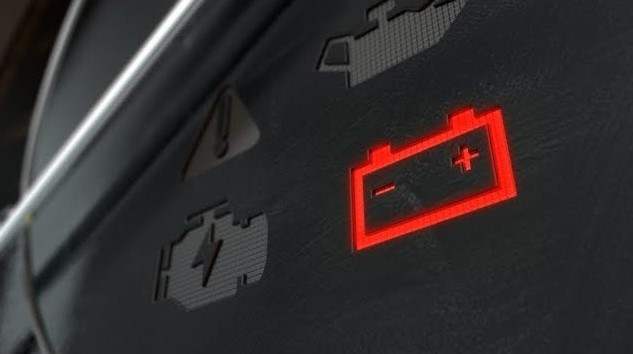
A glowing battery light on the dashboard often sparks concern for any driver. That small red symbol isn’t just decoration—it’s your car’s way of warning about an electrical system issue.
The battery light usually means the battery isn’t charging properly or there’s a problem with the alternator, voltage regulator, or electrical connections. Ignoring it can leave you stranded with a dead battery or worse, damage vital components under the hood.
A quick glance at the light’s behavior can also offer clues; a steady glow differs from a flicker while driving. Early attention prevents bigger repair costs and keeps the vehicle’s electrical system running smoothly.
Understanding the real reason behind that battery warning gives you the power to act fast before a minor problem turns into an expensive headache. This guide breaks down the most common causes and what you should do next.
Why Is My Battery Light On?
Seeing the battery light on your car dashboard can feel alarming. The red or orange symbol warns about a problem with the car’s electrical system.
Many drivers assume it means the battery is dead, but it can indicate several issues. Ignoring this warning may lead to a car that won’t start or expensive repairs.
Understanding the causes, risks, and solutions helps you act quickly and safely. This guide explains the common reasons for the battery light, how to check the problem, and steps to prevent it in the future.
What the Battery Light Really Means?
The battery light signals an issue in the charging system. Cars rely on electricity to power lights, radio, sensors, and the engine’s ignition system.
The battery stores electricity, but it does not recharge itself. The alternator generates electricity and recharges the battery while the engine runs. If this system fails, the battery light comes on.
Ignoring the light can lead to:
-
Dead battery
-
Stalled engine
-
Damaged alternator
-
Electrical failures
Common Causes of the Battery Light
1. Failing Alternator
The alternator charges the battery and powers electrical systems. Signs of alternator problems include:
-
Dimming or flickering headlights
-
Slow or non-working electronics
-
Strange whining noises from the engine area
A failing alternator may work partially, causing the battery to drain slowly. Testing with a multimeter shows if the alternator produces proper voltage (around 13.5–14.5 volts when the engine runs).
2. Loose or Corroded Battery Cables
Battery terminals can accumulate dirt, rust, or corrosion. Loose or damaged cables prevent electricity from flowing. Signs include:
-
Difficulty starting the car
-
Intermittent electrical failures
-
Sparks or unusual smells near the battery
Cleaning terminals with a solution of baking soda and water or tightening loose connections often solves the problem.
3. Weak or Old Battery
Batteries lose capacity over time, usually after 3–5 years. Low voltage or inability to hold charge triggers the battery light. Symptoms include:
-
Slow engine crank
-
Repeatedly dead battery
-
Warning lights flickering
Testing with a multimeter helps check if the battery still holds sufficient charge (12.4 volts or higher for a healthy battery).
4. Alternator Belt Problems
The alternator relies on a belt connected to the engine. A worn, loose, or broken belt stops the alternator from charging the battery. Signs include:
-
Squealing or chirping noise from the engine
-
Burning rubber smell
-
Battery light turning on shortly after starting
Replacing or adjusting the belt can restore normal function.
5. Electrical System Faults
Modern cars have complex electronics. Faults in wiring, fuses, or sensors may cause the battery light to appear even if the battery and alternator are fine. Symptoms include:
-
Random dashboard lights turning on
-
Intermittent electronics malfunction
-
Blown fuses
A mechanic can diagnose electrical issues using specialized tools.
How to Handle the Battery Light?

Step 1: Reduce Electrical Load
Turn off accessories like AC, radio, or heated seats. This reduces stress on the battery and alternator.
Step 2: Check the Battery and Connections
Inspect terminals and cables for corrosion or looseness. Clean terminals with a brush and tighten connections. Test voltage with a multimeter.
Step 3: Inspect the Alternator and Belt
Check the alternator belt for cracks, fraying, or looseness. Replace or adjust as needed. Measure alternator voltage with the engine running.
Step 4: Drive Short Distances Carefully
If the light stays on, the car can still run for a short time. Avoid highways or long trips until the issue is fixed.
Step 5: Seek Professional Help
Mechanics can test battery health, alternator output, and the full electrical system. Early repair prevents unexpected breakdowns.
Preventive Measures
-
Inspect battery terminals regularly for corrosion.
-
Avoid leaving lights or electronics on when the engine is off.
-
Replace batteries older than 5 years.
-
Check alternator belts during routine maintenance.
-
Perform regular electrical system inspections at a service center.
FAQs
Q1: Can I drive with the battery light on?
Yes, for a short distance. Avoid long trips. A failing battery or alternator may stop the car suddenly.
Q2: How do I know if the alternator is bad?
Signs include dim lights, slow electronics, strange noises, or repeated battery problems. A multimeter reading under 13.5 volts with the engine running indicates a weak alternator.
Q3: How long can a car run with the battery light on?
Depends on battery charge and alternator condition. Sometimes only a few miles; other times longer. Do not risk long trips.
Q4: Can a battery light come on in cold weather?
Yes, extreme cold reduces battery efficiency. The light may appear temporarily. Charge the battery and inspect terminals.
Q5: Is it expensive to fix battery light issues?
Costs vary: battery replacement is cheaper ($50–$150), alternator repair or replacement costs more ($200–$500). Electrical repairs may vary depending on complexity.
Conclusion
The battery light warns of potential problems in the car’s electrical system. Checking the battery, alternator, cables, and belts helps find the cause quickly. Ignoring it risks a dead battery or engine failure.
Regular maintenance, timely inspections, and early repair keep the car safe and reliable. A simple check today can prevent costly repairs tomorrow.